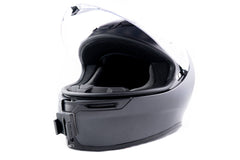
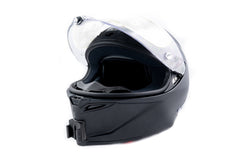
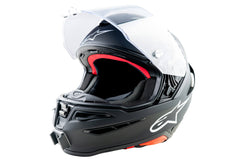
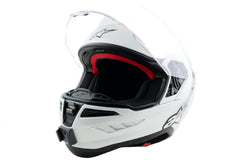






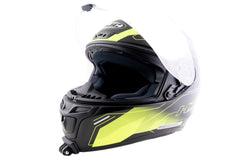
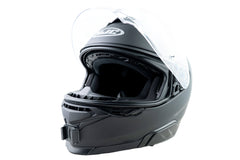
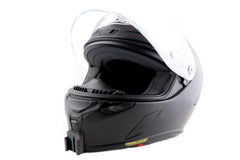
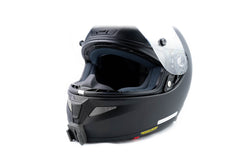
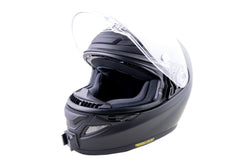
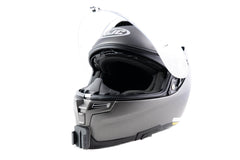


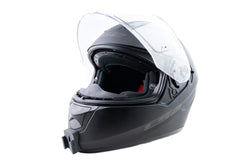
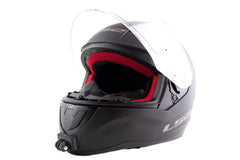


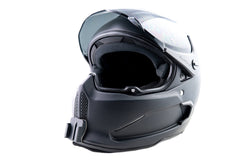
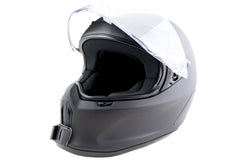
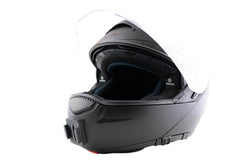
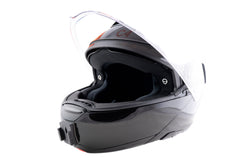
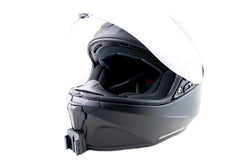
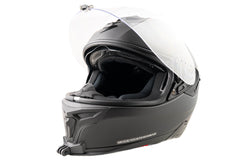
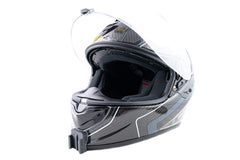
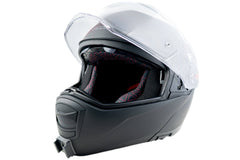

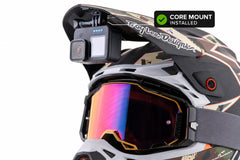
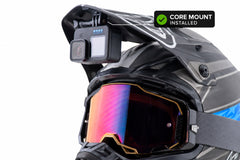
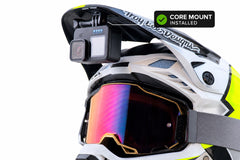
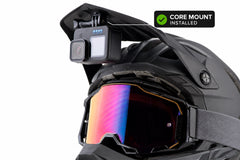



Understanding Conformity in Helmet Camera Mounts
In a previous article, we explained the core problems that 3D-printed helmet camera mounts face, including improper 3M adhesion, structural failure points, and poor aesthetic quality. That article is linked below for reference.
Why Riders Are Experiencing Camera Mount Failures
In this article, we focus on another critical factor that directly affects mount reliability and long-term performance: conformity between the helmet surface and the mount itself.
How 3D Printing Limits Helmet Conformity
In 3D printing, a mount is built by adding one flat layer at a time to form the final shape. This method is known as planar printing, where each layer is deposited in a flat plane before the next layer is added on top.
When producing a helmet-specific chin mount, each new layer must shift slightly to approximate the curved surface of the helmet. However, this shift is not continuous or smooth. It happens in discrete steps from one layer to the next.
Because of this, the transition between layers is abrupt rather than linear. These step changes create gaps where portions of the mount do not fully contact the helmet surface. Any area that does not make full contact reduces holding pressure and compromises the stability of an action camera secured to the helmet.
Most 3D-printed chin mounts are built in the Z direction, meaning the layers are stacked horizontally from bottom to top. This results in an abrupt change in surface conformation every 0.2 to 0.4 mm, which are the most common layer heights used by helmet mount manufacturers. The larger the layer height, the greater the surface deviation from the helmet’s true curvature.
As shown in the diagram below, this stepped geometry prevents uniform pressure distribution between the mount and the helmet, reducing overall conformity and bond strength.

Why Injection Molding Achieves Superior Conformity
Injection molding does not rely on stacked layers. Instead, the entire part is formed as a single solid unit using a precisely machined mold.
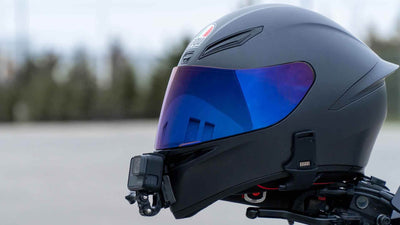
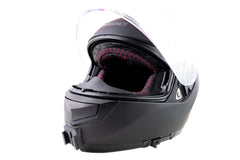
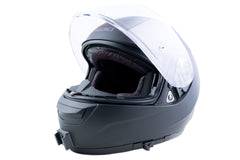
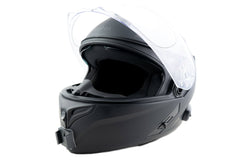
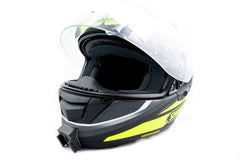
This allows us to design and cut the mold in a non-planar way. Non-planar manufacturing means the surface geometry is not constrained to flat layers. Instead, complex curves are formed continuously in three dimensions, allowing the mount to precisely match the helmet’s curvature.
With injection molding, we can achieve surface resolution down to 0.01 mm. This is approximately 200 to 400 percent more precise than outgoing 3D-printed mounts, depending on the layer height used during printing.
This increased precision dramatically improves conformity between the mount and the helmet. Better conformity means more surface contact, higher holding strength, and more consistent load distribution across the adhesive interface.
At the same time, injection molding produces a smooth surface texture that visually matches the helmet shell, improves structural strength, and allows the mount to be made from a custom-formulated polymer designed for enhanced 3M adhesion and UV resistance.
Why Conformity Matters in Real-World Riding
When a mount closely matches the helmet surface, adhesive pressure is evenly distributed and shear forces are reduced. This is especially important during high-speed riding, exposure to wind, and frequent head movement such as shoulder checks.
Poor conformity creates localized stress points that can weaken adhesion over time. Improved conformity increases both immediate bond strength and long-term durability.
The Ride Tech Moto Approach
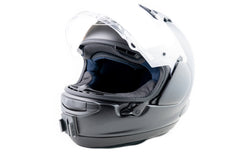
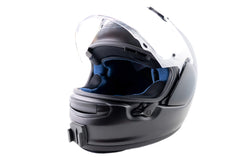
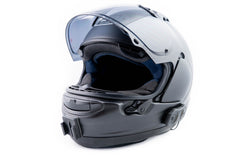
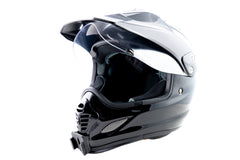
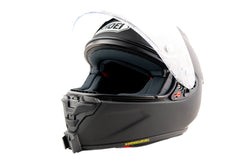
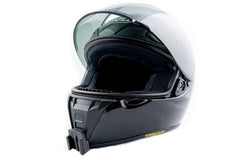
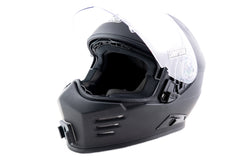
From the beginning, Ride Tech Moto recognized that true helmet-specific mounts required more than just correct shape. They required precision manufacturing, controlled materials, and processes that prioritize conformity and reliability.
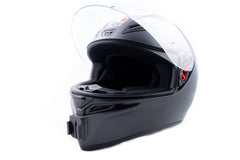
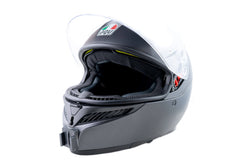
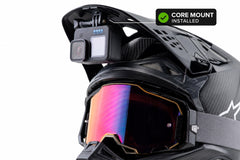
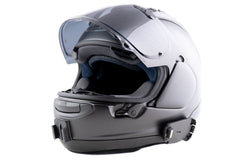
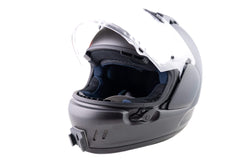
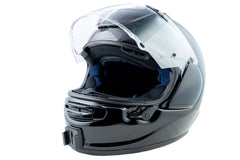
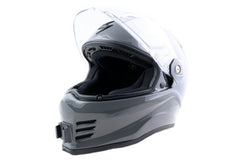
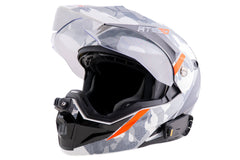
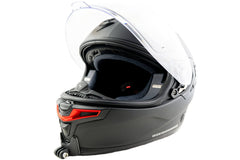
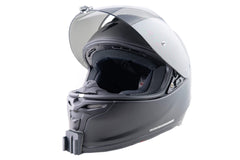
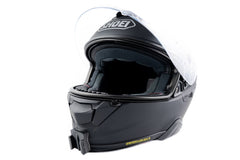
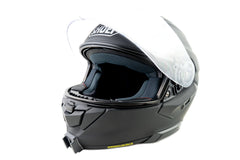
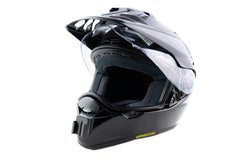
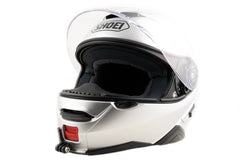
Rather than relying on planar 3D printing, we invested in injection molding, custom tooling, and material development to eliminate the limitations inherent in layered manufacturing. Our mounts are designed to conform precisely to helmet geometry, remain structurally solid, and maintain consistent adhesive performance over time.
This focus on engineering and manufacturing practices has allowed Ride Tech Moto to deliver mounts that fit better, hold stronger, look cleaner, and perform reliably in real-world riding conditions.