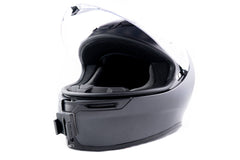
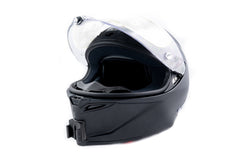
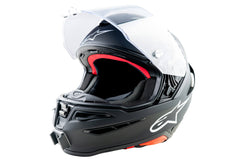
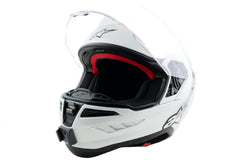
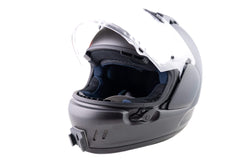
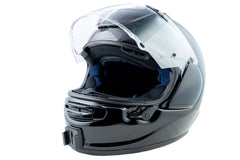
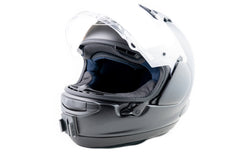
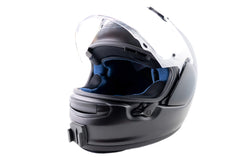
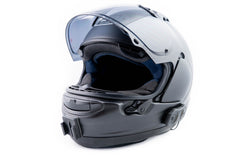
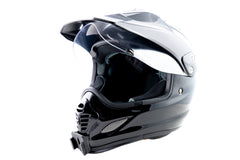
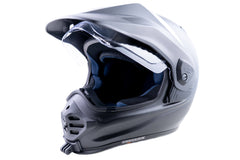
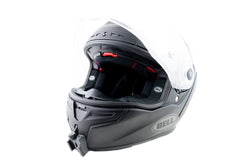

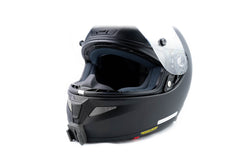
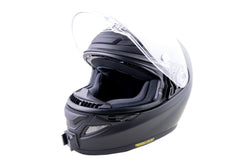
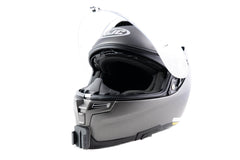


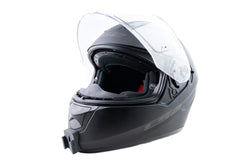
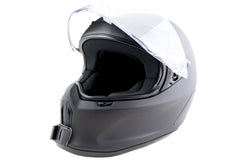
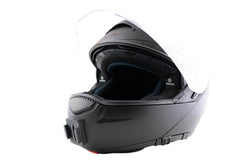
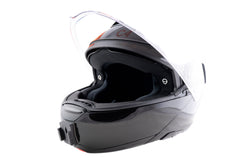
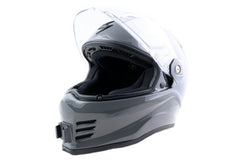
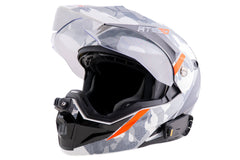
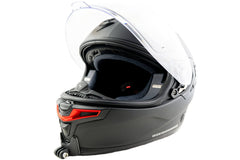
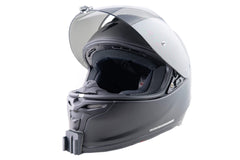
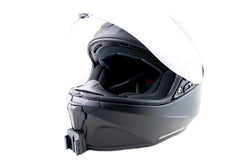
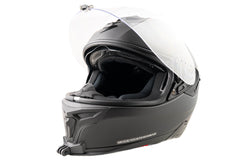
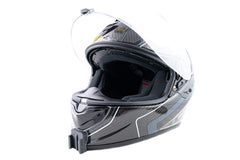
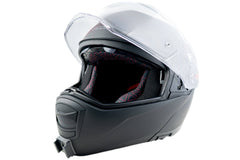
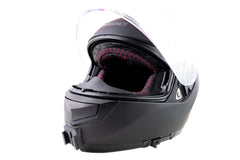


Why Riders Are Experiencing Camera Mount Failures
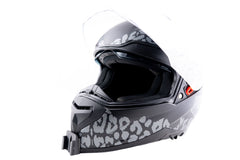
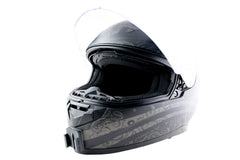
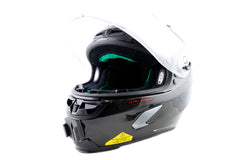
Over the past few years, numerous helmet chin mount brands have received negative feedback across forums, Reddit, and YouTube. The majority of these reports point to the same failure mode: camera mount detachment caused by the bond failing between the mount and the adhesive.
Here are few public rider discussions documenting these failures linked below. Availability of these discussions may change over time due to moderation or removal, often to limit reputational impact on the brands involved:
- Reddit post documenting mount detachment
- YouTube rider report showing adhesive failure
- YouTube walkthrough demonstrating a chin mount adhesion repair
Many riders report that the adhesive remains firmly attached to the helmet, while the 3D-printed mount separates and falls off along with an expensive action camera. In this article, we will explain why 3D-printed camera mounts fail and how this issue has been fully addressed by Ride Tech Moto.
Why Most Helmet Camera Mounts Are 3D Printed
Almost all helmet-specific chin mount companies rely on 3D printing to manufacture their camera mounts. On the surface, this approach makes sense. It allows brands to avoid the high upfront cost of tooling, which can reach tens of thousands of dollars for a single injection mold.
However, there is a significant problem beneath the surface that is rarely discussed.
3D-printed parts are built layer by layer, resulting in visible layer lines, microscopic gaps, and non-uniform surfaces. This directly conflicts with how 3M VHB adhesive works. VHB relies on intimate, uniform surface contact to properly flow and bond. Air pockets and uneven layers reduce real contact area and create stress concentrators that peel under load.
In addition, many 3D-printing filaments contain lubricants, colorants, or fillers. These additives can migrate to the surface over time and act like a release layer, preventing the adhesive from properly anchoring to the part.
Another critical issue is structural. A 3D-printed mount is not a single solid piece. It is composed of stacked layers, and each layer interface represents a potential failure point. Under vibration, wind load, and long-term stress, these layer boundaries can weaken or separate, as shown in typical cross-section diagrams of printed parts.

As a result, 3D-printed chin mounts suffer from three major issues:
-
Improper adhesion to 3M VHB
-
Structural failure points between layer lines
-
Poor aesthetic quality and visible print artifacts
Why Ride Tech Moto Chose Injection Molding
Very early on, Ride Tech Moto recognized these problems and began developing a manufacturing method that would eliminate all three failure points. Injection molding was the solution.
Injection molding requires significant upfront investment. A single mold can cost tens of thousands of dollars. However, we believed nothing was more important than our reputation and ensuring riders could trust that their action camera would remain secure while riding.
When a camera mount is injection molded, it is formed as a single, solid unit. There are no layer lines and no internal separation points. This completely eliminates the structural weaknesses inherent in 3D-printed parts.
Just as important is surface quality. Injection molding produces a uniform, non-porous surface that allows 3M VHB adhesive to properly wet and bond to the material. Ride Tech Moto further enhances this bond by using a custom-formulated polymer specifically engineered to work with high-performance adhesive systems.
We go one step further by performing precision machining on our injection molds to create micro-scale ridges on the adhesive contact surface. These features dramatically increase shear resistance and improve load distribution. This increases shear strength by up to tenfold, which is especially important during high wind exposure and shoulder checks at highway speeds.
Strength, Appearance, and Long-Term Reliability
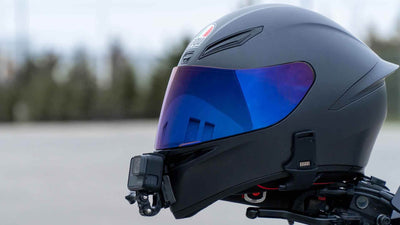
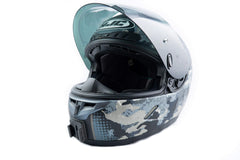
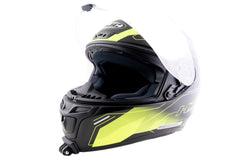
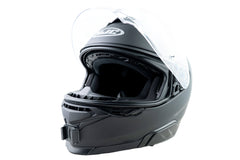
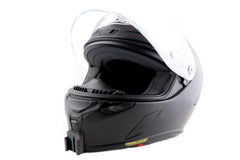
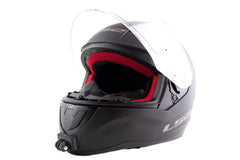
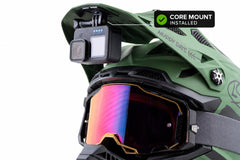
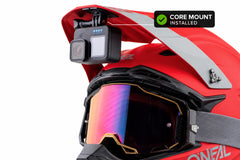
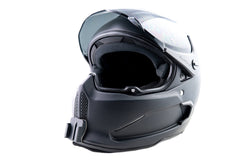
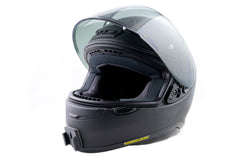
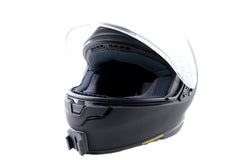
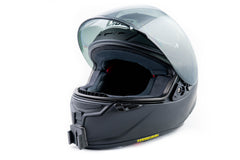
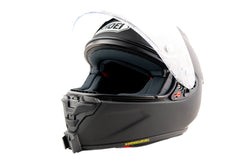
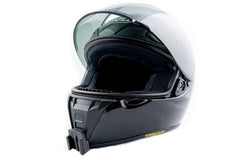
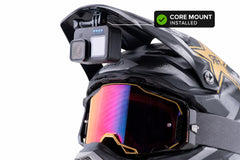
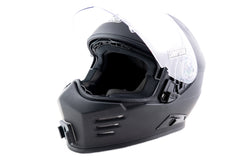
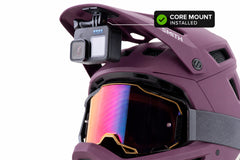
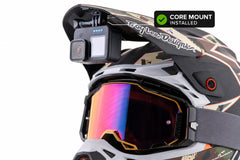
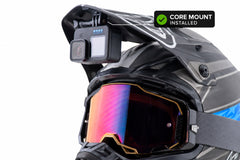
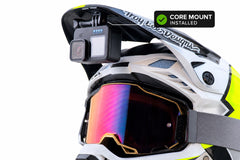
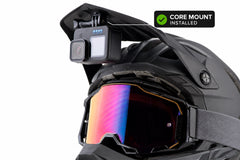
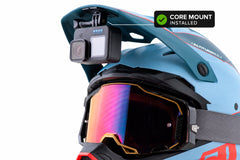
Injection molding also allows us to control the final appearance of the mount. Our mounts are designed to be thin, strong, and visually integrated with the helmet. When the camera is removed, the surface finish and texture of the mount blend naturally with the helmet shell, creating a unified, low-profile look.
To date, Ride Tech Moto has never received a report of an action camera detaching or peeling due to mount failure. This record spans over 40,000 customers worldwide.
For years, our company has invested heavily in research, engineering, tooling, and manufacturing instead of allocating resources toward aggressive marketing. That investment has paid off through long-term reliability, customer trust, and over 1,200 verified five-star reviews through Loox. Many of our customers return to Ride Tech Moto each time they purchase a new helmet.
The Difference Engineering Makes
The difference between 3D-printed and injection-molded camera mounts is not theoretical. It shows up in real-world performance, long-term durability, and rider confidence.
By eliminating adhesion incompatibilities, structural weak points, and surface inconsistencies, Ride Tech Moto has solved the most common failure mode in helmet camera mounts. This engineering-first approach is why riders continue to trust our products and why our mounts remain secure ride after ride.